

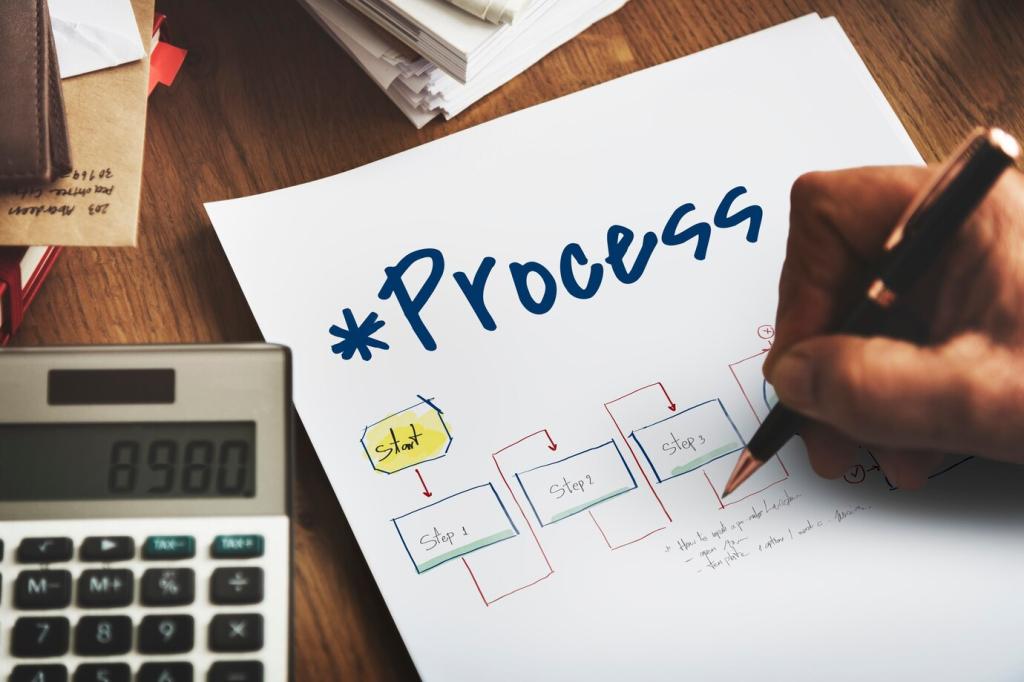

Today’s chosen theme: Project Management Techniques for Better Teamwork. Let’s build a culture where plans are clear, conversations flow, and every teammate feels seen, supported, and set up to win together.

Aligning Goals with Clear Project Charters

A simple charter clarifies why the project exists, who it serves, and how success will be measured. When teams co-create that document, alignment happens naturally, and collaboration feels intentional rather than accidental. What would your North Star statement include today?

Aligning Goals with Clear Project Charters

In one product launch, a one-hour charter workshop replaced weeks of circular debates. People mapped goals, guardrails, and decision rights together, then signed the charter. The result was calmer planning, fewer escalations, and a shared language for priorities.

Aligning Goals with Clear Project Charters

Before you lock a charter, ask teammates and stakeholders to poke holes and add context. Their input catches risks and reveals assumptions. Share your charter draft with us, and tell us which part sparked the most discussion in your team.

Communication Rituals that Reduce Friction

Keep standups brief, respectful, and centered on flow: what moved yesterday, what matters today, and what’s blocked. Rotate facilitation so every voice is heard. How short can your standup be while still unlocking meaningful collaboration and momentum?

User Stories Everyone Understands

Write stories that describe a real user, a clear outcome, and a reason that matters. Add crisp acceptance criteria. When stories read like promises to customers, teammates collaborate with empathy. What’s your favorite user story that unlocked a breakthrough?

Prioritization by Impact and Effort

Use a simple two-by-two to select high-impact, low-effort wins while scheduling complex bets thoughtfully. Invite the team to challenge assumptions. Comment with your go-to prioritization lens: impact, risk, revenue, usability, or something unique to your context.

Kanban Limits that Protect Quality

Work-in-progress limits reduce thrashing and multitasking. When a column fills, the team swarms to unblock instead of starting something new. Try it for one sprint, then measure cycle time. Report your results so others can learn from your experience.

One Source of Truth

Centralize roadmaps, decisions, and status updates in a single, easy-to-navigate space. Link tasks to goals so progress tells a coherent story. Drop a note about the tool stack that has genuinely simplified your team’s day-to-day coordination.

Docs that Evolve with the Team

Living documents beat static PDFs. Use templates for charters, decision records, and runbooks. Keep them short and versioned. Ask your team to tag unclear sections. Share your most loved template so others can remix it for their workflow.

Automations that Remove Busywork

Automate handoffs, reminders, and status labels. Simple triggers cut delays and prevent missed steps. Start with one automation, review the outcome, and iterate. Tell us which automation freed the most time for your team’s creative problem-solving.

Roles, Ownership, and Accountability without Blame

Use RACI to define who is Responsible, Accountable, Consulted, and Informed, but adapt language so it fits your culture. Keep it visible and short. What surprised you when you first used RACI with cross-functional teammates?

Roles, Ownership, and Accountability without Blame

Agree on what “done” means: tests passed, docs updated, stakeholders informed, metrics wired. When this promise is explicit, handovers are smoother and trust grows. Share your Definition of Done checklist and help another team raise their quality bar.

Risk Management as a Team Sport

Imagine the project failed; ask why. Capture every cause, then prioritize mitigations. This exercise invites candor and reduces surprises. Try a 30-minute premortem this week and share one mitigation your team committed to implementing immediately.

Risk Management as a Team Sport

Track leading indicators like cycle time, scope churn, and blocked items. Visualize trends, not just totals. When a metric drifts, discuss causes without blame. What signal has given your team the earliest, most actionable heads-up recently?

Scaling Teamwork Across Time Zones

Design handover notes, update windows, and clear escalation paths so work progresses while people sleep. The goal is momentum without burnout. Share your playbook template and help another distributed team feel less scattered tomorrow.

Scaling Teamwork Across Time Zones

Set norms for response times, feedback tone, meeting hours, and documentation depth. Make them explicit, not assumed. Revisit quarterly. Tell us the cultural agreement that most improved your team’s sense of inclusion and mutual respect.

Scaling Teamwork Across Time Zones

Welcome new teammates with a self-paced tour of tools, processes, and people, plus a friendly buddy system. Include context videos and mini-quests. Post your favorite onboarding activity that made a newcomer feel immediately connected and confident.
Affordablestoragedundee
Privacy Overview

This website uses cookies so that we can provide you with the best user experience possible. Cookie information is stored in your browser and performs functions such as recognising you when you return to our website and helping our team to understand which sections of the website you find most interesting and useful.